
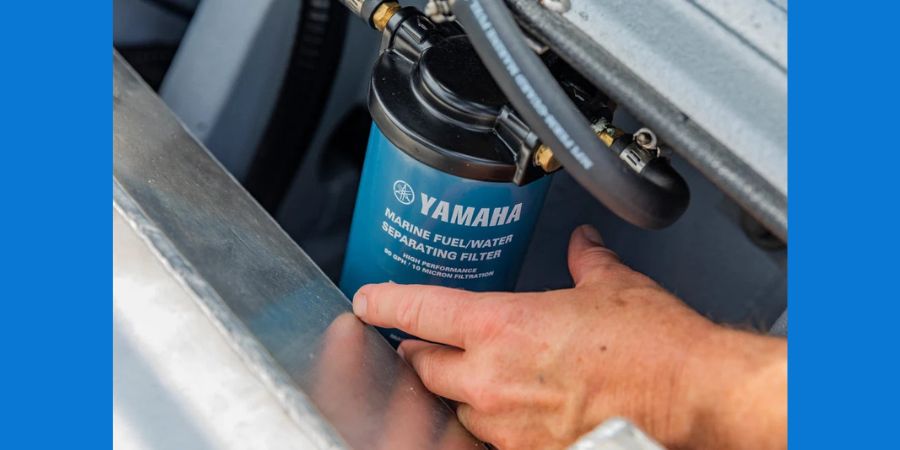
Fuel issues often start small. A Yamaha outboard may crank a little longer, idle less smoothly, or hesitate for a second when the throttle comes forward. At first, it may still run well enough to ignore. That is exactly when the fuel system deserves attention.
A good inspection should follow the fuel path, not just the most obvious part. Old fuel, a restricted filter, a weak primer bulb, a cracked hose, or a loose connector can all create symptoms that feel larger than the actual repair.
How to Inspect a Yamaha Fuel System Before Buying Parts
Start with the engine details: model, horsepower, and year. Then look at the fuel currently in the boat. If the fuel is old, contaminated, or has been sitting in storage, replacing hardware first may not solve the real issue. Once the fuel condition is understood, review Yamaha outboard parts by confirmed fitment and fuel-system function.
A simple symptom check helps keep the inspection focused:
| Fuel Symptom | Possible Area | Parts to Inspect |
| Hard starting after sitting | Fuel drain-back or weak priming | Primer bulb, fuel lines, connectors |
| Rough idle | Dirty fuel or unstable delivery | Filter element, fittings, fuel quality |
| Hesitation on acceleration | Restricted flow or air leak | Filters, hoses, clamps |
| Power loss under load | Insufficient fuel supply | Lines, bulb, fittings, restrictions |
| Fuel smell or dampness | Leak or weak seal | Hose ends, clamps, seals |
| Primer bulb will not firm up | Air entering the line | Bulb, connectors, hose condition |
Do not treat the table as a diagnosis by itself. Use it to decide where to look first. If the engine hesitates only under load, that is different from a hard start after two weeks of sitting. The timing of the symptom matters.
Fuel System Parts That Deserve a Close Look
Fuel filters are the obvious starting point, but they are not the whole system. A clean filter cannot make up for a brittle hose, poor clamp tension, or a connector that lets air enter the line. Work from the tank side toward the engine and check each connection point as you go.
The most useful inspection points are:
- fuel filters and filter elements
- fuel hoses, primer bulbs, connectors, fittings, clamps, seals, and tank-side connections
That list is short because the goal is not to create a huge parts order. It is to look at the parts that directly affect fuel flow, sealing, and contamination control. Touch the hoses. Check whether the primer bulb feels weak or cracked. Look for dampness around fittings. Watch for clamps that are rusty, loose, or distorted.
A fuel hose that feels stiff, swollen, sticky, or soft should not be trusted just because it has not failed yet. The same goes for connectors that show corrosion, poor fit, or seepage. Small leaks and air intrusion can create uneven performance long before a part breaks completely.
Why Yamaha Fuel Problems Often Show Up Gradually
Fuel system wear is rarely dramatic at first. A filter becomes restricted over time. Rubber parts age slowly. A clamp loses tension in small degrees. A connector may seal well enough at idle but struggle when the engine demands more fuel.
That is why performance symptoms can seem inconsistent. The motor may idle fine at the dock, but stumble when accelerating. It may start well with fresh fuel but run poorly after storage. It may feel normal at low speed and weak under load.
The most common early warning signs are practical, not mysterious:
- longer cranking than usual
- hesitation when the throttle is applied
- uneven idle after warm-up
- primer bulb that does not stay firm
- fuel odor, dampness, or residue near connections
Catching those signs early helps prevent a small fuel delivery issue from becoming a frustrating day on the water.
When to Replace, Clean, or Keep Watching
Not every questionable part needs immediate replacement. Some issues call for cleaning, tightening, or monitoring. Others should be handled before the next trip.
Replace parts that affect fuel sealing or flow when they show clear physical damage. That includes cracked hoses, leaking fittings, weak primer bulbs, worn seals, heavily corroded clamps, or filters with obvious contamination. If a part is overdue by service history and already tied to a symptom, replacement is usually the cleaner decision.
Clean or tighten only when the part is still structurally sound. A slightly loose clamp may only need proper adjustment. A dirty connection may be cleaned if there is no damage or leakage. But do not keep “watching” a part that already smells of fuel, seeps, cracks when moved, or lets the primer bulb lose pressure.
How to Order Without Overbuying
A complete fuel-system order does not mean buying every part in the category. It means ordering enough to finish the specific job without stopping halfway. If the filter is the only confirmed issue and the surrounding lines look healthy, keep the order narrow. If the filter is dirty and the hoses are stiff, the repair may need more than one item.
Before checkout, ask three questions:
- What part clearly failed or reached its service interval?
- What had to be moved, opened, or disturbed during inspection?
- Which nearby pieces show the same age, wear, or fuel exposure?
That approach keeps the order practical. It also prevents the common mistake of replacing one easy part while ignoring the connection, hose, or seal that caused the same symptom to come back.
Yamaha Fuel System Maintenance Checklist
| Check | What to Look For |
| Engine details | Model, horsepower, year, application |
| Fuel condition | Age, odor, water, debris, discoloration |
| Filters | Restriction, contamination, service history |
| Hoses | Cracks, swelling, stiffness, soft spots |
| Primer bulb | Weak feel, failure to firm up, visible wear |
| Connectors and fittings | Seepage, corrosion, looseness |
| Clamps and seals | Rust, poor tension, leakage |
| Fitment | Correct replacement for the exact engine setup |
Use the checklist before ordering, not after the engine is already apart.
FAQ
Can a Yamaha fuel issue appear only at higher speeds?
Yes. At higher speeds, the engine needs more consistent fuel volume. A restriction, weak primer bulb, aging hose, or air leak may not show clearly at idle but can become obvious once demand increases.
Why does fuel system trouble often show up after storage?
Fuel can age, absorb moisture, or leave deposits while the boat sits. Rubber parts can also stiffen or crack during long idle periods. That combination can create hard starting, rough idle, or hesitation during the first trips of the season.
Is fuel smell always a serious warning?
Fuel smell should always be checked. It may come from a loose-fitting, cracked hose, weak seal, or spilled fuel, but it should not be dismissed. Any visible dampness around fuel-system connections deserves attention before running the engine again.
What should I write down after fuel-system service?
Record the service date, engine hours if available, filter change, hose or connector replacements, fuel condition, and the symptom that prompted the work. Those notes make future troubleshooting faster and reduce repeat guesswork.




