Behind every successful financial institution lies an intricate system of decisions, safeguards and responsibilities. Markets may move at the speed of information, investment strategies may evolve with emerging technologies, and financial products may become increasingly sophisticated, but the confidence placed in an institution is built on something far less transient: trust. Maintaining that confidence requires a combination of technical expertise, operational discipline and an unwavering commitment to ethical conduct. As financial services become more digitally connected, the responsibility to protect investors while creating new opportunities has become even more significant.
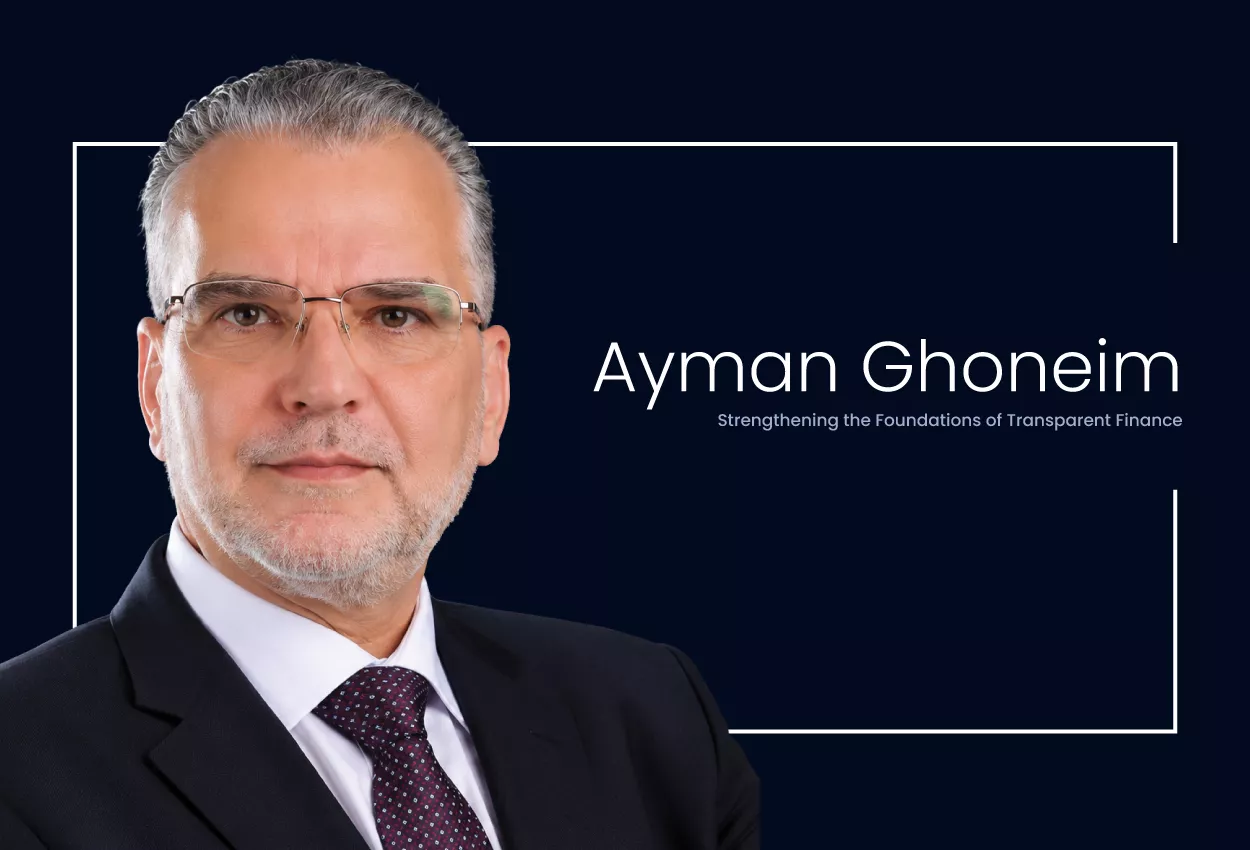
Ayman Ghoneim has spent more than 28 years developing an understanding of the financial industry through experience in finance, accounting and operations. As Chief Operating Officer of BHM Capital, he brings together operational knowledge and strategic leadership to support the firm’s growth, strengthen governance and improve the investor experience. His professional philosophy reflects a belief that financial performance and ethical responsibility must advance together. By prioritising transparency, regulatory discipline and continuous innovation, Ayman is helping shape an approach to financial services that places credibility alongside competitiveness.
From Financial Precision to Strategic Leadership
Ayman’s professional journey has been shaped by a steady progression from technical responsibilities towards broader organisational leadership. His experience across finance, accounting and operations provided him with a detailed understanding of the systems that sustain financial institutions. Over time, this technical foundation evolved into a more comprehensive leadership perspective, one that considers not only financial outcomes but also the people, processes and decisions responsible for achieving them.
His leadership approach is guided by integrity, adaptability, continuous learning and sustainable value creation. He believes that effective leadership requires the ability to understand complex financial information while remaining responsive to changing market conditions and stakeholder expectations.
This philosophy is reflected in the way he approaches team development. Empowering employees, encouraging collaboration and building a culture of transparency are important aspects of his management style. Rather than viewing leadership as the exercise of authority alone, Ayman recognises the value of creating an environment where people can contribute ideas, take responsibility and develop professionally.
Keeping Financial Operations Ahead of Change
The financial services industry faces a range of challenges, from regulatory developments and market volatility to cybersecurity threats and shifting investor expectations. For an organisation operating in such an environment, operational resilience is essential.
As COO of BHM Capital, Ayman focuses on ensuring that the firm’s systems and processes remain responsive to these demands. Proactive risk management, regulatory compliance and technological integration form important elements of this responsibility. Strategic partnerships and continuous monitoring also contribute to maintaining operational stability.
Fintech has become a particularly influential force in this transformation. Artificial intelligence, blockchain applications and automated trading systems are changing how financial institutions operate and how investors interact with markets. BHM Capital has been incorporating technologies such as AI-powered analytics and real-time trading platforms to improve accessibility, efficiency and the quality of its services.
For Ayman, innovation is meaningful when it produces practical improvements. Technology must strengthen the institution’s ability to serve clients, support informed decisions and maintain reliable operations.
Where Efficiency Meets Investor Confidence
The execution of financial transactions involves more than speed. Accuracy, risk assessment and operational consistency are equally important, particularly when institutions serve investors with different requirements and investment objectives.
BHM Capital’s approach combines advanced trading infrastructure, real-time market information and AI-supported risk models to support efficient transaction execution. Continuous monitoring and established compliance procedures provide additional safeguards against operational and financial risks.
Automation also plays an important role in reducing manual processes and improving consistency across financial operations. By investing in technological infrastructure and governance practices, the firm aims to provide services that are both efficient and secure.
Ayman’s approach recognises that operational excellence is not always visible to clients, but its effects are reflected in the reliability of their experience. Seamless execution, dependable systems and timely information all contribute to the confidence investors place in a financial institution.
Trust Cannot Exist Without Accountability
In finance, reputation is earned through the consistency of an institution’s conduct. Transparency in reporting, responsible governance and adherence to regulatory requirements are therefore fundamental to maintaining credibility.
Ayman considers compliance an essential component of BHM Capital’s institutional culture rather than a function limited to meeting formal obligations. The firm follows local and international regulatory requirements through comprehensive compliance programmes, internal and external audits, transparent reporting and ongoing monitoring.
Investment in compliance technology and risk assessment tools further strengthens these processes. Client education and clear communication also help ensure that stakeholders understand the responsibilities and safeguards associated with financial services.
This emphasis on accountability reflects a broader leadership principle. Financial institutions must be able to demonstrate that their decisions are supported by sound processes and ethical standards. Trust may take years to establish, but it can be undermined quickly when transparency and responsibility are compromised.
Reading the Markets Beyond the Numbers
The Middle East’s investment landscape is experiencing considerable change, supported by economic diversification, regulatory developments and growing interest in emerging industries. Ayman identifies fintech, renewable energy and digital transformation as sectors attracting increasing investment attention. Environmental, social and governance considerations are also gaining importance as businesses and investors place greater emphasis on sustainability.
These developments are creating opportunities for cross-border partnerships and strategic transactions. However, identifying attractive opportunities requires more than recognising a growing sector. Businesses must examine market conditions, understand competitive positioning and assess the long-term implications of their investment decisions.
BHM Capital incorporates advanced research and analytical capabilities into its strategic processes. AI-powered analytics, machine learning models and predictive data help the firm identify market patterns, assess potential risks and evaluate investment opportunities. Real-time information and sentiment analysis further contribute to a more informed understanding of market movements.
Ayman believes that strong investment decisions depend on combining these analytical capabilities with careful judgement. Data can reveal patterns and possibilities, but the quality of the decision ultimately depends on how effectively that information is interpreted.
Preparing Businesses for the Long Game
Investment evaluation and organisational restructuring require a comprehensive understanding of financial stability, regulatory responsibilities, market positioning and operational efficiency. Ayman encourages businesses to examine these areas before committing to significant strategic decisions.
Financial stability provides the resources required to sustain growth, while liquidity considerations help organisations remain prepared for unexpected demands. Regulatory compliance is equally important, particularly when businesses operate across markets with different legal and reporting requirements.
Beyond financial fundamentals, companies must understand their competitive advantages, customer expectations and ability to deliver operationally. A strategy may appear attractive on paper, but its success depends on whether the organisation possesses the capabilities and resources to execute it.
Ayman also advocates a structured, data-driven approach to managing uncertainty. In-depth due diligence, financial statement analysis and risk assessment help businesses understand the implications of their decisions. Macroeconomic developments, including inflation, interest rates and geopolitical changes, must also be considered when evaluating long-term plans.
The objective is not to eliminate uncertainty, but to prepare organisations to respond to it without losing sight of their broader goals.
Innovation Protected by Stronger Defences
As financial services become increasingly digital, cybersecurity has emerged as a fundamental part of institutional responsibility. The use of cloud infrastructure, AI and blockchain can improve operational capabilities, but it also creates a need for stronger information security and risk controls.
BHM Capital employs a multi-layered cybersecurity framework to protect client assets and sensitive financial information. Encryption, real-time threat monitoring and continuous system upgrades contribute to identifying and mitigating potential vulnerabilities. The firm also undertakes rigorous testing and works with technology partners to strengthen its security capabilities.
For Ayman, technological advancement and security must develop together. A faster platform or more sophisticated investment tool has limited value if it cannot protect the information and assets entrusted to the institution.
This balance between progress and protection is central to his vision of modern financial operations.
Developing the Next Generation of Financial Leaders
Ayman’s professional journey has also been strengthened by his academic and professional qualifications, including CPA, CFC and MBA credentials. Each has contributed a different dimension to his expertise, from financial reporting and compliance to corporate finance, investment management and business strategy.
He encourages aspiring financial professionals to build strong technical foundations while developing strategic thinking, communication and adaptability. Understanding financial statements and market mechanisms is important, but future leaders must also be capable of interpreting economic developments, explaining complex concepts and making informed decisions under pressure.
Continuous learning remains essential as financial technologies, regulations and investment practices continue to evolve. Mentorship and professional networking can provide perspectives that formal education alone may not offer.
Above all, Ayman places integrity at the foundation of financial leadership. Technical competence may open professional doors, but ethical judgement determines whether confidence can be sustained.
A Future Built on Credibility and Progress
Ayman’s leadership at BHM Capital reflects the changing responsibilities of financial institutions. Growth is no longer measured solely through market performance or operational scale. It also depends on the quality of governance, the security of digital infrastructure and the confidence investors place in the organisation.
As technology continues to reshape financial services, his focus remains on bringing innovation and accountability into the same strategic framework. By strengthening operational systems, encouraging data-led decision-making and maintaining a culture of transparency, he continues to contribute to a financial institution prepared for the demands of an evolving industry.
His professional philosophy ultimately rests on a simple but enduring principle: financial progress must be supported by ethical foundations. In an industry where confidence influences every transaction, protecting trust is not separate from business success. It is one of its most important measures.