
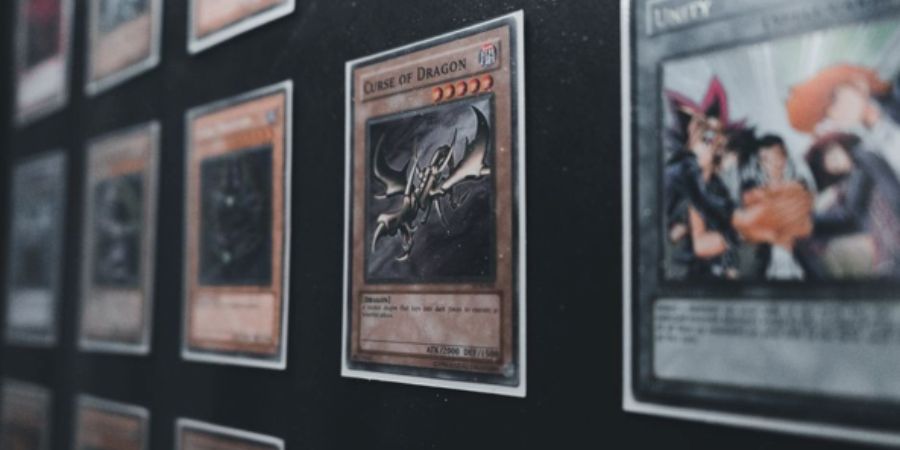
Some of the most interesting tech-era habits aren’t only about new gadgets. They’re also about how you manage old stuff in smarter ways. If you’ve got trading cards tucked in a closet, desk drawer, or shoebox that has survived three house moves, you might be sitting on more value than you think. Collectibles have become part hobby, part side hustle, and part nostalgia trip. That mix makes them worth a second look, especially if you want to clear space and make a little extra money.
Why Old Collections Matter
A lot of collections start small. You buy a few packs as a kid, trade with friends, and then life happens. Years later, those cards are still around, quietly waiting like tiny cardboard time capsules.
What changed is how people look at them now. Collectibles are no longer just “old kid stuff.” They can hold real resale value, especially when demand rises because of social media, streaming shows, gaming culture, or plain old nostalgia. One person sees clutter. Another sees rent money, holiday money, or at least dinner-and-a-movie money.
You don’t need to be a hardcore collector to benefit. Every day, people are checking closets, binders, and storage bins to see what’s worth keeping and what’s worth selling. Even common-looking items can surprise you if they’re in good condition or part of a popular set.
The big idea is simple: before you donate, toss, or forget your old collection, give it a proper look.
Spot Value In Cards
You don’t need to become a card-market wizard overnight to understand basic value. Start by looking at what people still care about. Popular characters, older sets, limited prints, holographic cards, and cards in strong condition usually get the most attention.
Sorting through a Pokémon collection can quickly turn into a weekend project, especially if you’re trying to price each card individually. Listing them one by one online means photos, descriptions, buyer questions, shipping, and the occasional dispute. Use the PayMore Trading Cards service to turn the whole collection into cash on the spot, without dragging the process out for weeks.
That doesn’t mean every card is a jackpot wrapped in nostalgia. Some are worth very little, and that’s okay. The goal is to spot what deserves a closer look. Check the card name, set symbol, rarity, and whether it’s first edition or holographic.
Think of it like cleaning out your garage. Most boxes hold random stuff. One might hold the good tools.
Check Condition First
Condition can change the value fast. Two copies of the same card may look identical from across the room, but one tiny crease can make buyers wince like they just stepped on a Lego.
Start with the corners. Are they sharp or frayed? Then check the surface for scratches, dents, stains, or cloudiness. Look at the edges for whitening and the back for wear. A card that looks “pretty good” to you might only count as fair once someone inspects it closely.
Also, look at how the cards were stored. Cards kept in sleeves, binders, or boxes usually hold up better than loose cards stuffed into drawers. If you have complete sets or matching groups, that can help too, since some buyers like a neat package rather than a scavenger hunt.
You don’t need fancy grading language to do a basic check. Just be honest and consistent. A clear idea of the condition helps you price better and avoid awkward surprises later.
Know When To Sell
Timing matters, but not in a crystal-ball way. Card values can rise when a franchise gets popular again, a new game releases, or a wave of nostalgia sweeps through the internet. Suddenly, everyone remembers the binder they once guarded with their life.
That said, waiting forever for the perfect moment can backfire. Markets shift. Trends cool off. Buyer excitement comes and goes. If you need cash now or simply want your space back, convenience may matter more than squeezing out every possible dollar.
A smart approach is to ask yourself what your goal is. Are you trying to maximize profit, or are you trying to sell without turning it into a second job? Those are two very different missions.
Seasonal timing can matter too. Gift-buying months and hobby spikes often bring more attention. Still, a well-presented collection can attract interest any time if the cards are desirable enough.
Choose A Selling Method
There isn’t one perfect way to sell. The best option depends on how much time, effort, and risk you’re willing to handle.
Online marketplaces can bring strong prices, but they also mean photos, listings, shipping, questions, fees, and the occasional message that tests your patience. Local collector groups may feel more personal, though meeting strangers requires basic safety steps. Card shops are simple, but offers may be lower because they need room for resale.
Direct buyers and resale services often appeal to people who value speed and predictability. That can be a solid choice if you don’t want to negotiate with ten people over one binder.
When comparing methods, think about:
- Time needed to list and manage sales
- Fees or commissions
- Shipping and packaging work
- Safety and reliability
- How fast do you want the payment
Sometimes the “best” sale isn’t the highest price. It’s the one that actually gets done.
Avoid Common Mistakes
One of the biggest mistakes is assuming everything old is automatically valuable. Age helps sometimes, but demand, rarity, and condition still do the heavy lifting.
Another common slip-up is storing cards carelessly right before selling. Don’t toss them into a bag, stack them without protection, or let snacks join the appraisal process. Cheese dust and collectibles are not a dream team.
Bad photos also hurt. If you’re showing cards to a buyer, use clear lighting and simple backgrounds. Blurry pictures make people think you’re hiding damage, even if you’re not. Be upfront about flaws too. Honesty builds trust and saves everyone time.
It also helps to avoid guessing prices based on wishful thinking. Sentimental value is real, but buyers usually don’t pay extra because a card went everywhere with you in middle school.
A little prep goes a long way. Organized cards, clear details, and realistic expectations make the whole process smoother.
Turn Clutter Into Value
Old collections can be fun to revisit, but they can also be practical. What’s been sitting untouched for years might help you free up storage, fund a purchase, or simply feel good about using what you already have.
You don’t need expert knowledge to get started. You just need a careful eye, a little patience, and a plan that fits your goals. Check what you have, separate the promising items, and choose a selling method that feels manageable.
For some people, that means researching every card. For others, it means finding a straightforward way to sell and move on. Both are valid. The right path is the one that matches your time and energy.
So if you’ve got a dusty binder hiding on a shelf, it may be worth opening. At worst, you take a quick walk down memory lane. At best, your old hobby pays you back. Not bad for a stack of cardboard with a surprisingly strong résumé.




