
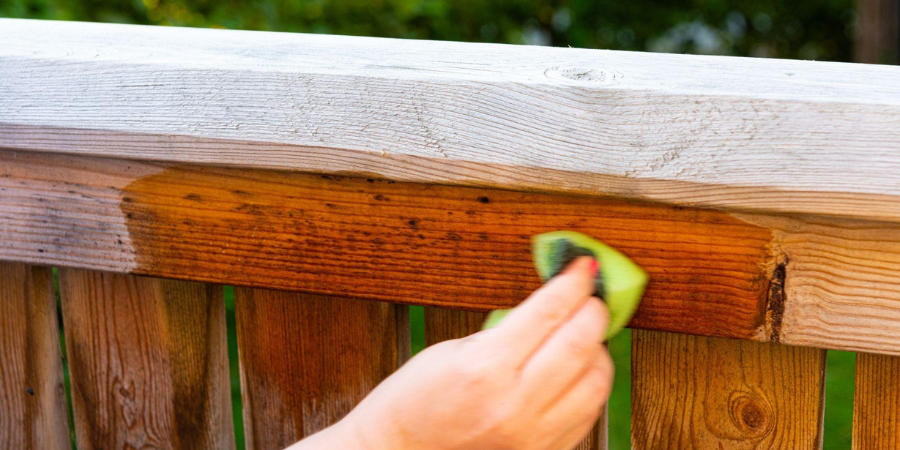
You just spent a few thousand dollars on a gorgeous new cedar fence, and you want to protect it. Smart move. But if you are a Sammamish homeowner about to stain that fence, there is a solid chance you are about to make mistakes that will cost you time, money, and the rich natural beauty you paid for. Cedar fence staining in Sammamish and across the Eastside comes with specific challenges that generic staining advice from hardware store pamphlets does not cover.
The PNW climate, the unique chemistry of fresh cedar, and the particular conditions on the Sammamish Plateau all demand a different approach than what works in drier parts of the country.
[IMAGE: A newly installed natural cedar fence in a lush green Pacific Northwest backyard with evergreen trees in the background — Source: Unsplash/Pexels — Alt text: new cedar fence staining Sammamish backyard with green PNW landscape showing fresh unstained western red cedar boards]
Mistake Number One: Staining Too Soon After Installation
This is the biggest and most common error. A new cedar fence goes up looking beautiful, and the natural instinct is to seal and protect it immediately. But fresh-milled western red cedar — the species used in virtually every fence built across Sammamish, Bellevue, and Kirkland — is full of natural oils and moisture that actively repel stain.
Those oils are actually one of cedar’s greatest strengths. They make the wood naturally resistant to rot and insects. But they also create a surface that stain cannot penetrate properly. If you apply stain to fresh cedar, it sits on top of the wood instead of soaking into the grain. Within a few months of Sammamish rain, that surface coating starts to peel and flake.
How Long Should You Wait?
The general rule is to let a new cedar fence weather for four to eight weeks before staining. In the PNW, the timing depends heavily on when the fence was installed. A fence built in July might be ready by early September. A fence built in October might need to wait until the following summer because the wood never fully dries during the wet season.
The test is simple. Sprinkle water on the wood. If it beads up and sits on the surface, the cedar is still too oily or too green. If the water soaks in within 30 seconds, the wood is ready to accept stain.
Mistake Number Two: Skipping the Brightener Step
As cedar weathers, it develops a gray patina. This is the wood’s surface fibers breaking down under UV exposure and moisture. Many homeowners either stain over the gray or try to pressure wash it off. Both approaches create problems.
Staining over gray weathered wood means you are applying product to a layer of degraded fiber that is poorly attached to the sound wood underneath. Your stain bonds to the gray layer, and then the gray layer detaches from the fence. Result: stain failure within one season.
Pressure washing blasts off the gray, but it also raises the grain aggressively and can damage the relatively soft cedar fibers. You end up with a fuzzy, rough surface that absorbs stain unevenly and looks blotchy.
The Right Approach
A wood brightener — typically an oxalic acid-based product — dissolves the gray oxidation layer chemically without damaging the wood fibers. Apply it, let it dwell for 15 to 20 minutes, and rinse with a garden hose at normal pressure. The result is clean, bright wood with a smooth grain that accepts stain evenly.
This step takes about an hour for a typical residential fence in Sammamish and makes the difference between a professional-looking result and a blotchy mess.
Mistake Number Three: Choosing the Wrong Stain Type
Walk into any hardware store in Redmond or Bellevue and you will find dozens of stain options. Film-forming stains, penetrating stains, oil-based, water-based, solid, semi-transparent, transparent — the choices are overwhelming. For cedar fences in the PNW, one category stands above the rest.
Penetrating Oil-Based Semi-Transparent Stain
This is the gold standard for cedar fence staining in Sammamish and across the Pacific Northwest. Here is why each part of that description matters.
Penetrating: The stain soaks into the wood rather than forming a film on top. Film-forming stains trap moisture behind them in the PNW’s wet climate, leading to peeling and blistering. Penetrating stains let the wood breathe while still providing water repellency and UV protection.
Oil-based: Oil carriers penetrate deeper into cedar’s dense grain structure than water-based carriers. They also enhance the wood’s natural warmth and color in a way water-based products cannot match. Yes, they take longer to dry and have a stronger odor during application, but the performance difference in a wet climate is significant.
Semi-transparent: This level of pigment provides meaningful UV protection while still letting the cedar grain show through. Transparent stains look beautiful but offer almost no UV defense, meaning more frequent reapplication. Solid stains hide the grain entirely — at that point, you might as well paint.
Mistake Number Four: Ignoring the End Grain
Every fence board has two end cuts — the top and the bottom. Those end-grain surfaces absorb moisture five to ten times faster than the face grain. In a climate where it rains from October through May, untreated end grain wicks water deep into the board, accelerating rot from the inside out.
Most DIY staining jobs and even some contractor jobs skip the end grain because it is tedious. You have to brush stain onto each individual board end, and on a fence with hundreds of pickets that adds up. But this is the single most impactful step you can take to extend your cedar fence’s lifespan in Sammamish’s wet conditions.
Apply an extra-heavy coat of stain to every exposed end grain surface. Some professionals go a step further and apply a dedicated end-grain sealer before staining. It takes time, but a cedar fence with sealed end grain will outlast one without by years.
Mistake Number Five: Staining in the Wrong Conditions
Cedar fence staining in Sammamish requires respecting the weather window. The Sammamish Plateau sits at a higher elevation than surrounding cities like Kirkland and Bellevue, which means cooler temperatures, more morning fog, and dew that lingers later into the day.
Temperature: Most oil-based stains need ambient and surface temperatures between 50 and 85 degrees Fahrenheit. Below 50, the stain does not penetrate properly. Above 85, it dries too fast and does not soak in evenly.
Direct sunlight: Never stain a fence in direct afternoon sun. The surface temperature of sun-baked cedar can exceed 100 degrees even on a 75-degree day. Work in the shade, or start early in the morning and follow the shade around the fence as the day progresses.
Rain forecast: Stain needs 24 to 48 hours of dry weather to cure. Check a 72-hour forecast before starting. In the PNW, this realistically limits your window to mid-June through mid-September, and even then you need to watch the forecast closely.
This is one of many reasons Sammamish homeowners turn to HELLO Painting for their cedar fence projects. Timing the weather, managing the prep, and applying the right product correctly is more involved than it looks from the outside.
How Often to Restain in the PNW
Even a perfectly applied penetrating oil stain will not last forever in the Pacific Northwest climate. Plan on restaining your cedar fence every two to three years. Some south-facing sections that get heavy sun and rain exposure may need attention sooner. North-facing sections in the shade of Sammamish’s tall evergreens may go longer.
The maintenance recoat is much simpler than the initial staining. A light cleaning with a wood brightener, a rinse, and a single coat of stain is usually all it takes. No heavy sanding, no stripping, no drama — as long as the original application was a penetrating product that did not form a film.
If you want to preserve that rich cedar tone for years without the guesswork, a crew that specializes in PNW wood staining can set up a maintenance schedule that keeps your fence looking its best with minimal effort on your part.
A Quick Word About Pressure-Treated vs. Cedar
Some Sammamish homeowners opt for pressure-treated lumber instead of cedar for cost reasons. The staining approach is different. Pressure-treated wood needs to dry for several months — sometimes up to six months — before it will accept stain. The chemical treatment saturates the wood with moisture and preservatives that repel stain even more aggressively than cedar’s natural oils.
If your fence uses pressure-treated posts with cedar pickets — a common combination in the Bellevue area — each component needs to be assessed separately for stain readiness. The posts may need more weathering time than the pickets.
Frequently Asked Questions
How soon after installation should I stain my new cedar fence in Sammamish?
Wait four to eight weeks for the wood to weather and release its natural oils. In the PNW wet season this can take longer. Test by sprinkling water on the surface — if it absorbs within 30 seconds, the cedar is ready for stain. Staining too early is the most common cedar fence staining mistake in Sammamish.
What happens if I use a solid stain on my cedar fence?
Solid stain forms a thick film on the wood surface that traps moisture in the PNW’s wet climate. Within one to two seasons, you will likely see peeling and blistering. A semi-transparent penetrating stain lets the wood breathe while still showing the natural cedar grain and providing UV protection.
Can I stain my cedar fence in the rain or when the wood is wet?
No. The wood surface must be dry, and you need at least 24 to 48 hours of dry weather after application for the stain to cure. In Sammamish, this realistically means staining between mid-June and mid-September when you can count on a dry stretch.
Is it worth hiring a professional for cedar fence staining instead of doing it myself?
For a small fence, a careful DIYer can get good results with proper preparation. For larger fences or fences with complex terrain on the Sammamish Plateau, professional application ensures even coverage, proper end-grain treatment, and correct product selection. The cost difference is often offset by avoiding a failed stain job that needs to be stripped and redone.
How do I know when my stained cedar fence needs to be restained?
Sprinkle water on the wood. If it beads up, the stain is still repelling moisture. If the water soaks in quickly, the stain has worn through and it is time for a maintenance coat. In the Sammamish and greater Bellevue area, most cedar fences need restaining every two to three years depending on sun and rain exposure.